


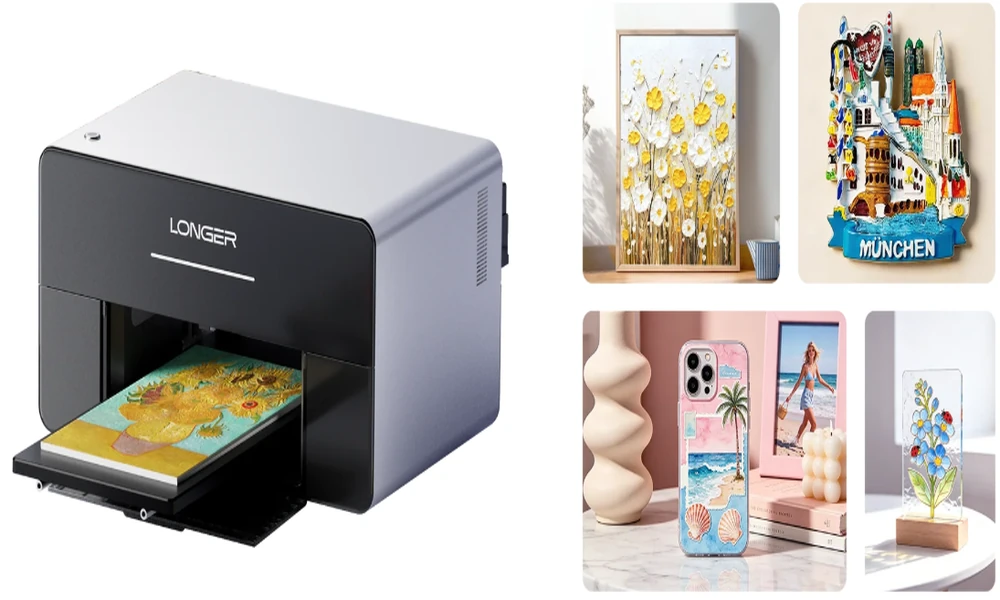
Custom phone cases are one of the most popular print-on-demand products. Whether starting a small custom merchandise business or creating unique personal gifts, learning how to print phone cases at home gives you full creative control. While traditional methods like sublimation and vinyl transfer have long been accessible options, modern advances in UV Printer technology have revolutionized the custom printing industry.
Traditional Methods: Sublimation, Vinyl, and Water Slide Decals
To understand why UV technology stands out, it helps to review traditional home printing techniques first:
Dye Sublimation: Uses heat and pressure to transfer ink onto polyester-coated surfaces. It produces vivid, scratch-resistant prints, but requires special sublimation-coated phone case blanks (usually rigid plastic or aluminum inserts). It cannot print directly on soft TPU or silicone cases.
Vinyl Transfers: Involves cutting designs using a vinyl cutter and pressing them onto the case. While beginner-friendly, vinyl layers peel over time, struggle with fine gradient details, and leave a noticeable raised edge.
Water Slide Decals: Affordable for crafters, but time-consuming and fragile. Decals require clear sealing sprays to protect against everyday wear.
While these traditional methods work for basic DIY projects, they present significant limits on material compatibility, durability, and production speed.
The Superior Alternative: Direct UV Printing
Unlike heat transfers that rely on coatings, a desktop UV Printer uses ultraviolet light to cure specialized ink instantly as it drops onto the surface. This instant curing process binds the ink directly to almost any material-including clear TPU, soft silicone, hard polycarbonate, leather, and wood-without needing special coatings or heat presses.
Key Advantages of UV Printing:
Universal Material Compatibility: Print directly on transparent, dark, or textured phone cases.
White Ink & Raised Gloss Effects: Modern UV hardware supports white ink layers for vibrant prints on dark surfaces, plus spot-gloss varnish to create 3D tactile textures.
Instant Drying: Items are ready to use or pack immediately after printing.
Choosing the Right Setup: UV Flatbed Printer vs. UV DTF Printer
When choosing UV technology for custom phone case production, two main printer types dominate the market:
| Feature | UV Flatbed Printer | UV DTF Printer |
|---|---|---|
| Primary Workflow | Direct-to-substrate printing | Print on film, transfer to case |
| Best Case Types | Flat and semi-flat TPU, PC, wood, leather | Curved, irregular, textured, or deep-edge cases |
| Tactile Texture / 3D Relief | Excellent (Direct multi-layer varnish) | Moderate (Varnish on film) |
| Material Flexibility | Excellent for supported flat materials | Universal (Applies like a high-end transfer decal) |
| Production Speed | Fast for batch printing multiple cases on a tray | Two-step process (Print/Laminate film, then manual application) |
Option A: The Direct Approach with a UV Flatbed Printer
A UV Flatbed Printer features a flatbed bed where you place blank phone cases directly onto a custom tray or jig. The printhead moves over the cases, depositing and UV-curing ink in a single pass. This is the gold standard for small businesses printing batch orders of standard flat or TPU cases, as it yields high scratch resistance and crisp details.
Option B: Flexibility with a UV DTF Printer
A UV DTF Printer (Direct-to-Film) prints designs onto a special transfer film (Film A) with UV ink, white ink, and varnish, which is then laminated onto an adhesive cover film (Film B). You cut out the sticker, peel the backing, and press it onto the phone case. This technique bypasses height and surface flatness constraints, making it ideal for curved edges, textured grips, or oddly shaped phone accessories.
Summary
If you are looking for simple DIY craft projects on a tight budget, sublimation or vinyl transfers offer low entry costs. However, for professional durability, vibrant color depth on dark/transparent cases, and tactile 3D finishes, investing in a UV Printer is the definitive choice. Choose a UV Flatbed Printer for fast, direct batch printing on standard cases, or opt for a UV DTF Printer setup when working with curved surfaces and versatile transfer applications.
