


Introduction
Search engine optimization (SEO) is essential for businesses looking to increase their online visibility and attract potential customers. While SEO involves many different strategies, on-page SEO is one of the most important foundations for achieving strong search engine rankings. By optimizing the elements directly on a website, businesses can improve both user experience and search engine performance.
What Is On-Page SEO?
On-page SEO refers to the process of optimizing individual web pages to help search engines understand their content and determine their relevance to specific search queries. Unlike off-page SEO, which focuses on external factors such as backlinks, on-page SEO deals with elements that businesses can directly control on their websites.
Effective on-page SEO helps search engines index content accurately while making pages more useful and engaging for visitors.
Key Components of On-Page SEO
Several elements work together to improve a website’s on-page optimization.
1. Page Titles
Create Clear and Descriptive Titles
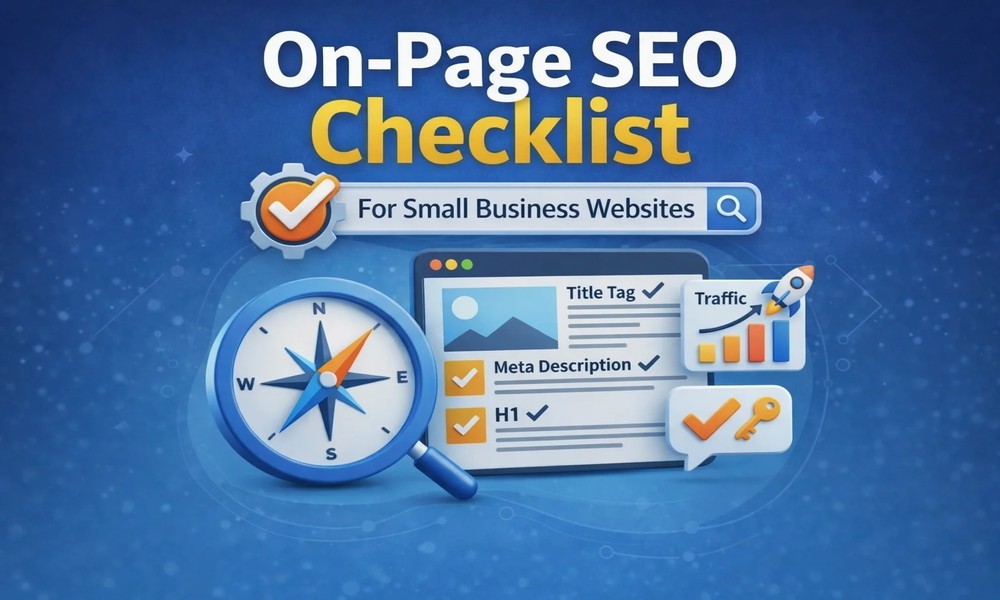
The page title is one of the first things search engines and users see. A well-written title should accurately describe the page’s content while incorporating relevant keywords naturally.
Keep Titles Concise
Short, informative titles are easier for users to understand and are less likely to be truncated in search results.
2. Meta Descriptions
Encourage Clicks from Search Results
Although meta descriptions do not directly impact rankings, they influence click-through rates by providing a summary of the page content.
Highlight Value to Users
A compelling description can encourage potential customers to visit the website instead of a competitor’s page.
3. Heading Structure
Use Organized Headings
Proper heading tags such as H1, H2, and H3 help structure content and make it easier for both users and search engines to navigate.
Improve Content Readability
Well-organized sections allow visitors to quickly find the information they need.
Content Optimization Best Practices
Content remains one of the most influential ranking factors in SEO.
1. Focus on User Intent
Answer Relevant Questions
Content should address the needs, concerns, and interests of the target audience rather than simply targeting keywords.
Provide Valuable Information
Helpful and informative content increases engagement and encourages visitors to stay on the site longer.
2. Strategic Keyword Usage
Use Keywords Naturally
Relevant keywords should appear in titles, headings, and body content without excessive repetition.
Avoid Keyword Stuffing
Overusing keywords can harm readability and may negatively affect search performance.
Technical Elements That Support On-Page SEO
Technical optimization plays a major role in overall website performance.
1. Internal Linking
Connect Related Content
Internal links help users discover additional information while guiding search engines through the website’s structure.
Distribute Authority Across Pages
Strategic linking can improve the visibility of important pages throughout the site.
2. Image Optimization
Use Descriptive File Names
Properly named images help search engines understand visual content.
Add Alt Text
Alternative text improves accessibility and provides additional context for search engines.
3. Mobile-Friendly Design
Since many users browse on smart phones and tablets, responsive design is essential for both usability and SEO.
Conclusion
Understanding on-page SEO is essential for businesses that want to improve their online presence. By optimizing page titles, headings, content, internal links, images, and mobile usability, businesses can create websites that perform better in search results while delivering a superior experience for visitors. Consistent attention to on-page SEO helps build a strong foundation for long-term digital growth.
