


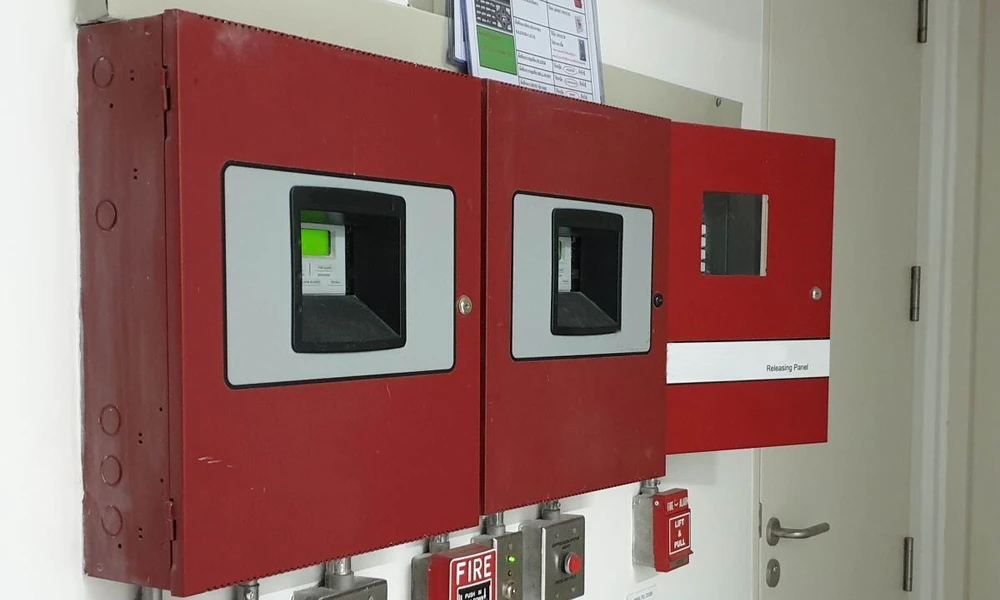
Fire safety is perhaps one of the most critical duties that should be handled in any commercial property. Fire alarm systems offer protection to lives, properties, and business activities by providing early alerts in case of a fire emergency.
Fire protection systems have seen major advancements over the years, becoming much more efficient in terms of fire detection and rapid alerts. For organizations opting to install fire alarms, understanding the foundational parts that form a functional fire alarm system is the first step toward comprehensive safety.
Understanding the Importance of Commercial Fire Alarm Systems
Smart fire alarms do more than ring out when smoke is identified. They consist of linked elements which are constructed to spot possible fire dangers, alert building occupants, and also help for a swift reply. An industrial fire alarm system assists in preventing a possible fire threat from growing into a major disaster by offering instant and reliable signals of fire.
The system comprises various factors, which work collectively to guard building occupants, homes, and belongings through quick detection, signaling, and reaction. For a seamless setup, choosing a professional fire alarm system installation by Pace Protections ensures that every component is properly integrated. Each part that is involved in a professional fire alarm system offers critical solutions which collaborate to formulate a reputable and useful emergency response network.
1. Fire Alarm Control Panel
The “brain” of a fire alarm system, fire alarm control panels receive their inputs from detectors mounted in and around a building and determine the course of action when a fire or other type of alarm or fire event occurs.
As an early warning fire or smoke detector in a building, fires or triggers, information is sent to the control panel, which triggers audible and visual alarm notifications on every circuit that indicates an alarm or fault.
The panel of the system will report to monitors as well, informing them as to the status of various systems so they know if any areas need service or repair. Multiple newer versions of these panels can monitor multiple zones to provide them with the capability to discover an emergency situation very fast.
2. Smoke Detection Devices
Smoke detectors are some of the most well-known components within a fire alarm system. A smoke detector is designed to sense the conditions that suggest smoke has begun to appear in your space before it erupts into an unmanageable blaze. These smoke detection units are strategically placed throughout your commercial building and report any smoke particles detected by using a built-in radio signal.
Key Benefits of Smoke Detection Devices
- Provide early warning of potential fire hazards.
- Help drastically reduce evacuation times.
- Improve overall building safety.
- Support faster emergency response.
- Assist in minimizing property damage.
Because of these benefits, smoke detectors remain an indispensable element of any commercial fire protection layout, granting employees the vital time needed to respond to alerts.
3. Manual Pull Stations
Even though the automated detection mechanism has been put in place to be the most efficient, it can also be supplemented with a manual pull station. This would allow inhabitants of a building to pull an alarm at any time a fire is discovered, even before the flames reach the automatic sensors.
The manual pull station can also be found prominently placed in the locations of building exits, where it would be easily located during an emergency so that inhabitants could raise an alert. The moment that they notice danger, they can notify people inside without any hesitation. This can be a huge advantage when dealing with fires that rapidly spread through a building.
4. Notification Appliances
Upon identifying a potential fire hazard, notification appliances work to communicate this emergency to everyone within the building structure.
These consist of audible and visual systems that sound or illuminate to alert individuals, such as sirens, strobes, and horns. Once a notification is triggered, individuals become aware of the developing emergency and can start the evacuation process immediately.
This notification network must remain reliable and effective, even within a large commercial space spanning several individual rooms or floors.
5. Monitoring and Communication Systems
If they have a service with a monitored system and a reliable communication system, commercial fire alarm services extend beyond the boundaries of the premises.
A continuous monitoring service adds an extra layer of protection and lets owners know what issues develop instantly, if any, and handles transferring critical data to dispatchers if any emergency develops. Connecting to selected emergency teams helps to reduce response time for commercial fire alarms.
How These Components Work Together
Every component of a fire alarm system has its specific role, but it is their teamwork as a unified network that generates the true safety advantage. Detection devices identify trouble and relay information back to the control panel. Once the panel determines the required response, the notification devices are activated.
Pull stations provide a manually operated backup, while monitoring equipment handles outward communication. This synchronized operation creates a rapid-response network that effectively protects occupants. A high-quality system requires not only the optimum functioning of every individual part but also a robust communication infrastructure to link them together.
Common Maintenance Considerations
Having a best-in-class system is an excellent asset; however, maintenance is extremely important. The system must be inspected frequently to look for bad devices, communication issues, and technological faults. Tests can and should be done on alarm notification gadgets as well as notification alarms.
Control panels should additionally undergo assessment. Checking communication with the monitoring station is a must, and testing that connection regularly is a good practice. Routine and dependable procedures of upkeep are how structure proprietors can be assured they are giving an endless flow of fire coverage to occupants.
Final Thoughts
Key components make up effective commercial fire alarm systems, delivering reliable safety for occupants. An alarm system control panel serves as the central monitoring and command unit. Smoke detectors detect the presence of smoke and sound the alarm, prompting everyone to evacuate and sending a signal to alert authorities.
Manual pull stations, usually located on a fire alarm system near an exit, require physical activation by a person aware of the emergency. The notification appliances use audible and visible signals, including horns and strobe lights, to alert people.
Finally, the monitoring system is responsible for notifying the authorities and is connected through a central station monitored 24 hours a day, seven days a week. Having a thorough understanding of these components is a significant stride toward establishing a strategic fire protection plan, whether considering a commercial fire alarm system installation by Pace Protections or simply upgrading an existing system.
