


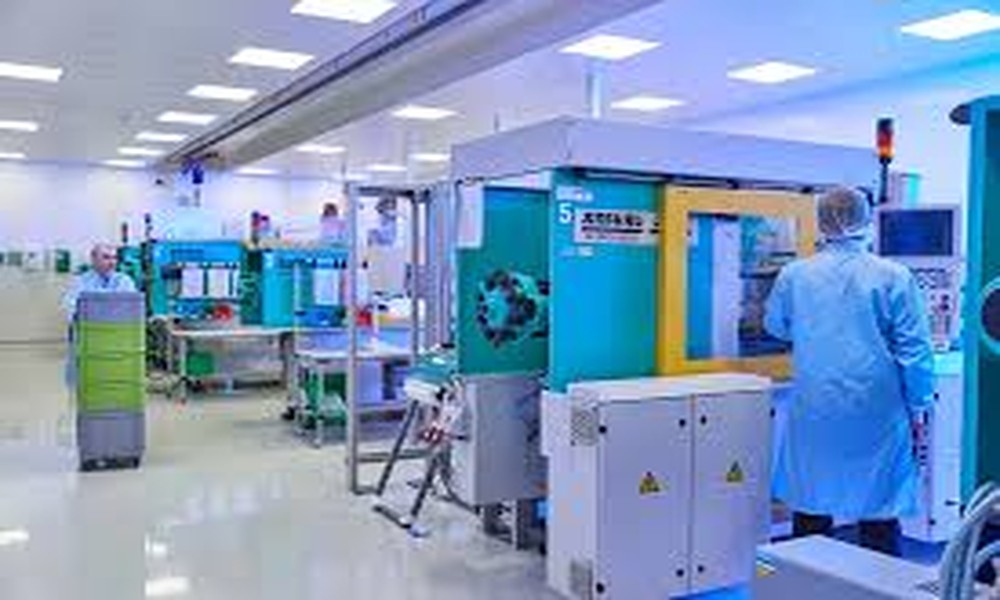
What a Medical Contract Manufacturer Provides
A medical contract manufacturer provides the production facilities, validated processes, quality management systems, and regulatory documentation that medical device companies need to bring their products to market without owning manufacturing infrastructure. The device company, acting as the OEM, retains control of the design, the regulatory submission strategy, and the commercial relationship with end markets. The contract manufacturer executes production within a quality framework certified to the standards that regulated markets require. This arrangement gives device companies access to specialist manufacturing capability that would take years and substantial investment to build internally.
Quality as the Foundation of Medical Contract Manufacturing
Medical contract manufacturer operations are built on quality management systems certified to ISO 13485, the standard specifically designed for organisations involved in medical device production. ISO 13485 requires documented process controls, material traceability from incoming qualification through finished device, process validation records, internal audit programmes, and corrective action systems that address quality deviations at their root cause. These requirements are not administrative overhead; they are the operational disciplines that prevent quality failures from reaching patients and that generate the evidence regulators need when evaluating device safety and performance.
A quality management system that is maintained through regular third-party audits and operated as a live production tool rather than a compliance filing exercise provides a substantially different level of assurance than one that exists primarily on paper.
The Manufacturing Capabilities That Medical Contract Manufacturers Apply
Quality medical device contract production draws on multiple process technologies depending on the device type, the materials involved, and the production volumes required. Metal injection moulding produces small, complex metal components for surgical instruments, endoscopic assemblies, and implantable hardware. Precision plastic injection moulding produces housings, covers, and functional polymer components in medical-grade materials. Cleanroom assembly integrates components into finished devices under classified environmental conditions. Functional and performance testing verifies device output against specification before packaging.
Selecting a contract manufacturer whose process capabilities match the device requirements is the first practical step in the supplier qualification process.
Scalability Without Compromising Quality
“The measure of a great manufacturing organisation is whether it can maintain its standards as it grows,” Lee Kuan Yew observed in a context that applies to every regulated manufacturing environment. Medical contract manufacturer partners with genuine scalability can absorb volume increases within their existing quality management framework, adding qualified production capacity without requiring the OEM to re-qualify the supplier or re-validate the production processes. This requires that the contract manufacturer have validated production lines capable of running additional shifts, qualified personnel available for training on new lines, and a change management process that controls how capacity additions are implemented.
Scalability is a manufacturing attribute that is difficult to assess from documentation alone; supplier audits that review production floor capacity, equipment utilisation, and workforce planning provide a more realistic picture.
Regulatory Support That Contract Manufacturers Provide
Scalable medical contract manufacturing partners contribute to the OEM’s regulatory submissions by providing manufacturing documentation: process validation records, material certificates of conformance, quality system certifications, environmental monitoring data, and sterilisation validation reports where applicable. The allocation of regulatory responsibilities between OEM and contract manufacturer must be explicitly documented in the supply agreement, because regulators hold both parties accountable. Contract manufacturers experienced with FDA, EU MDR, and Singapore HSA submissions understand what documentation each framework requires and can prepare it efficiently.
For OEMs pursuing multiple market authorisations simultaneously, a contract manufacturer capable of supporting parallel regulatory submissions reduces the time between production readiness and market access.
Traceability and Device History Records
Medical contract manufacturer operations maintain device history records for every production batch, linking each finished device to the materials, process parameters, personnel, and inspection results associated with its production. This traceability supports post-market surveillance obligations, enables rapid response to field complaints, and provides the audit trail that regulatory inspections require. Records are maintained for periods defined by the applicable regulatory framework, typically aligned with the device’s expected service life.
The integrity of the device history record system is a key indicator of quality management system maturity; suppliers whose records are complete, accurate, and readily accessible carry lower regulatory risk.
Choosing the Right Medical Contract Manufacturer
Evaluating a medical contract manufacturer requires supplier qualification activities that go beyond reviewing certifications and quality documents. A facility audit covering the production environment, quality system documentation, and personnel training records provides direct evidence of operational capability. Review of first article inspection data and process capability indices from comparable production provides quantitative evidence of dimensional performance.
A medical contract manufacturer that combines quality system certification, process capability, scalable production infrastructure, and regulatory documentation support delivers the manufacturing partnership that growing medical device programmes need.
