


A business preparing its annual marketing budget faces a familiar choice: spend money on advertisements that can bring immediate attention to its website, or invest in organic search visibility that may take longer to develop. Both approaches can help a company reach customers, but they operate on different timelines and require different types of investment. Choosing one simply because another business has found it successful can lead to disappointing results.
For Singapore businesses, where marketing budgets must often accommodate several competing priorities, it is particularly important to understand how each channel contributes to revenue. A useful comparison considers the cost of acquiring customers, the time needed to generate enquiries and the resources required to sustain performance. It also recognises that paid advertising and SEO marketing need not compete for the same role within a broader growth strategy.
Understanding SEO and Paid Advertising
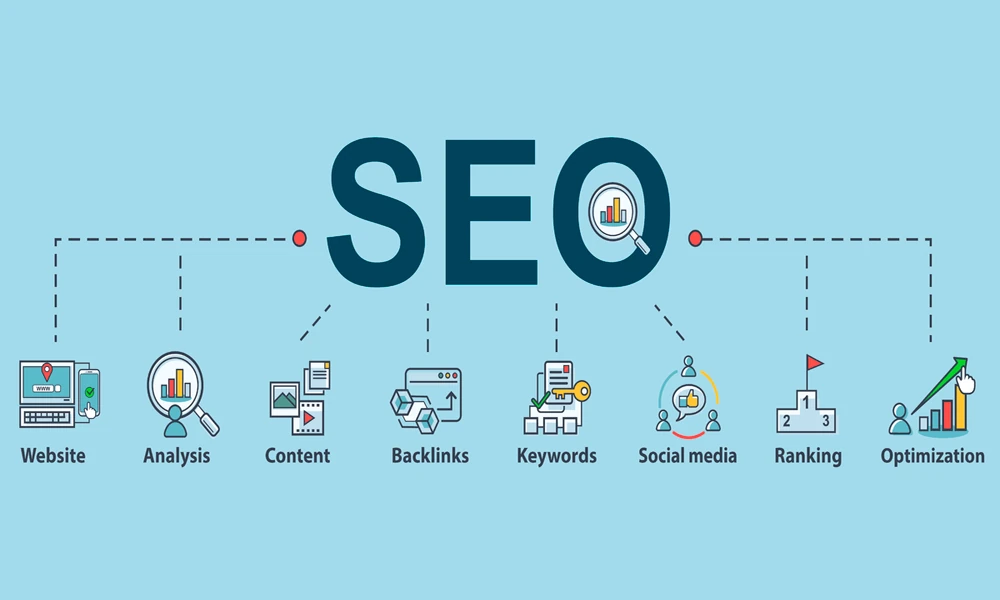
Search engine optimisation, or SEO, refers to work that improves a website’s ability to appear in organic search results. Typical activities include improving website structure, researching customer queries, writing relevant content and addressing technical issues. The business does not pay the search engine for each organic visit, although developing and maintaining the website involves real costs.
Paid search advertising allows businesses to enter advertising auctions and display advertisements for relevant queries. With a pay-per-click (PPC) campaign, advertisers generally incur a charge when someone clicks on an advertisement. Actual placement and costs depend on factors such as competition, bids and the quality of the advertising experience. Other paid advertising channels may use different billing arrangements.
A search for accounting services, for example, might display sponsored advertisements alongside organic results. A provider could appear in both areas, but its advertising position does not directly purchase a higher organic ranking. The channels use separate systems and should be evaluated accordingly.
How SEO Generates Long-Term Business Value
A well-maintained organic search presence can continue attracting visitors after the initial work on a page is completed. Consider a supplier that publishes a comprehensive guide to choosing commercial refrigeration equipment. The guide may answer questions from potential customers over several years, provided the information remains relevant and the page continues to be discoverable.
SEO can also help businesses build a library of resources that supports their sales teams. Instead of repeatedly explaining basic product specifications or service processes, staff can direct interested customers to useful pages. Those same pages may introduce the business to people who have not yet contacted a salesperson.
Organic performance is not permanent, however. Competitors can publish stronger content, customer demand can change and technical problems can affect a website’s visibility. Businesses should budget for maintenance and improvements rather than assuming that a successful campaign will produce traffic indefinitely without further effort.
Advantages and Limitations of Paid Advertising
Paid advertising is valuable when a business needs to test demand quickly. A training provider launching a new course, for instance, can target relevant searches while experimenting with different messages and landing pages. The campaign may reveal which offerings attract enquiries and which audiences are most interested before the provider commits to a larger promotional effort.
Advertising also gives marketing teams control over factors such as campaign budgets, geographical targeting and scheduling, subject to the options available on each platform. This flexibility can be especially useful for seasonal businesses, limited-time promotions or companies entering a new market.
The main financial consideration is that advertising requires continuing expenditure. When a campaign stops, the traffic generated directly by that campaign generally stops as well. Poorly targeted advertisements can attract clicks from people who are unlikely to purchase, while increasing competition can make some queries more expensive. A campaign therefore needs regular attention to targeting, search terms, landing pages and conversion quality.
SEO vs PPC: Key Differences
The two channels can be compared using the following framework. These are general characteristics rather than fixed rules for every campaign.
| Consideration | Organic SEO | Paid search advertising |
|---|---|---|
| Time to visibility | Often gradual; varies by website and competition | Can begin once ads are approved and eligible |
| Main costs | Research, content, technical work and maintenance | Advertising spend, management and landing pages |
| Traffic continuity | May continue after initial work, but is not guaranteed | Campaign traffic depends on active advertising |
| Targeting | Based on relevant content and search visibility | Campaign settings and advertising eligibility |
| Testing | Changes may take time to evaluate | Often suitable for faster message and offer tests |
| Scaling | Requires useful pages and ongoing improvements | Requires sufficient budget and viable acquisition costs |
The difference between the two channels becomes clearer when businesses compare actual customer acquisition costs. A cheap advertising click is not necessarily profitable if few visitors become customers. Similarly, a page with substantial organic traffic is not necessarily a good investment if its audience does not match the company’s services.
When Should a Business Prioritise SEO?
SEO is particularly worth considering when customers research a service extensively before purchasing, or when demand for the company’s products is relatively consistent. A business-to-business software provider, for instance, may benefit from detailed comparison pages, implementation guides and explanations of common customer problems. These resources can serve prospective buyers throughout a lengthy decision-making process.
A company with limited resources should focus first on the pages most closely related to its commercially important services. Improving these pages is often more practical than launching a large blog or attempting to rank for dozens of unrelated terms. Professional guidance can be useful when the team needs help evaluating its website and choosing priorities. A provider such as seo geek pte ltd can be considered alongside other options for SEO consultancy and website optimisation support.
Before commissioning work, decision-makers should ask for a clear scope, an explanation of the proposed approach and meaningful reporting arrangements. Claims of guaranteed organic positions or instant results should be treated cautiously. The value of an SEO programme lies in the quality and relevance of the work, not simply in an impressive-looking list of target keywords.
How SEO and Paid Advertising Can Work Together
Use advertising to test assumptions
A paid search campaign can help a business explore how different messages resonate with its audience. Search term reports and conversion data, where available, may reveal that a narrow service description attracts more suitable customers than a broad product category. These observations can inform organic content planning, although paid and organic audiences may behave differently.
Support launches while developing organic resources
Imagine a company introducing a new cybersecurity service. Advertising could help it reach relevant prospects during the launch, while the marketing team develops a detailed service page, implementation resources and answers to questions about ongoing support. Over time, the organic resources may attract additional enquiries and help both paid and unpaid visitors understand the offer.
Review budgets using commercial outcomes
Rather than allocating a permanent percentage of spending to each channel, businesses can revisit their decisions periodically. The review should consider qualified leads, sales conversion rates, gross profit and the capacity of the team to serve new customers. A campaign that generates more enquiries than the business can handle may require operational changes before additional investment makes sense.
Creating a Balanced Measurement Plan
Set separate objectives for each channel and identify the conversions that matter. An online retailer may track completed orders, while a professional services firm may care more about qualified consultations. Consistent tracking makes comparisons more meaningful, particularly when the same customer visits through both paid and organic search.
Attribution is rarely straightforward. Someone might discover a company through an educational article, later click an advertisement and eventually complete a purchase after speaking with a sales representative. Reporting should acknowledge these interactions instead of automatically crediting every sale to the final marketing click. Where data is limited, businesses can combine analytics with customer feedback and sales records to understand the broader picture.
Conclusion
SEO and paid advertising address different business needs. Paid search can provide flexible, timely exposure, while SEO can develop a more durable collection of discoverable website resources. Neither guarantees profitable growth. The strongest approach is to choose investments according to customer demand, financial objectives and available resources, then adjust the balance as reliable performance data becomes available.
