


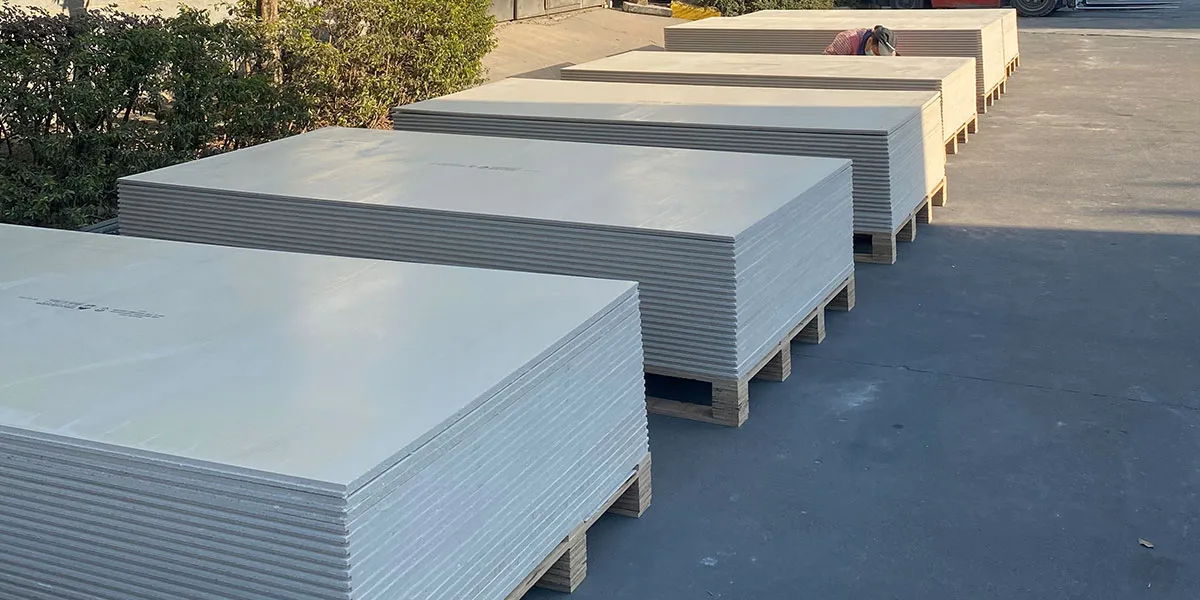
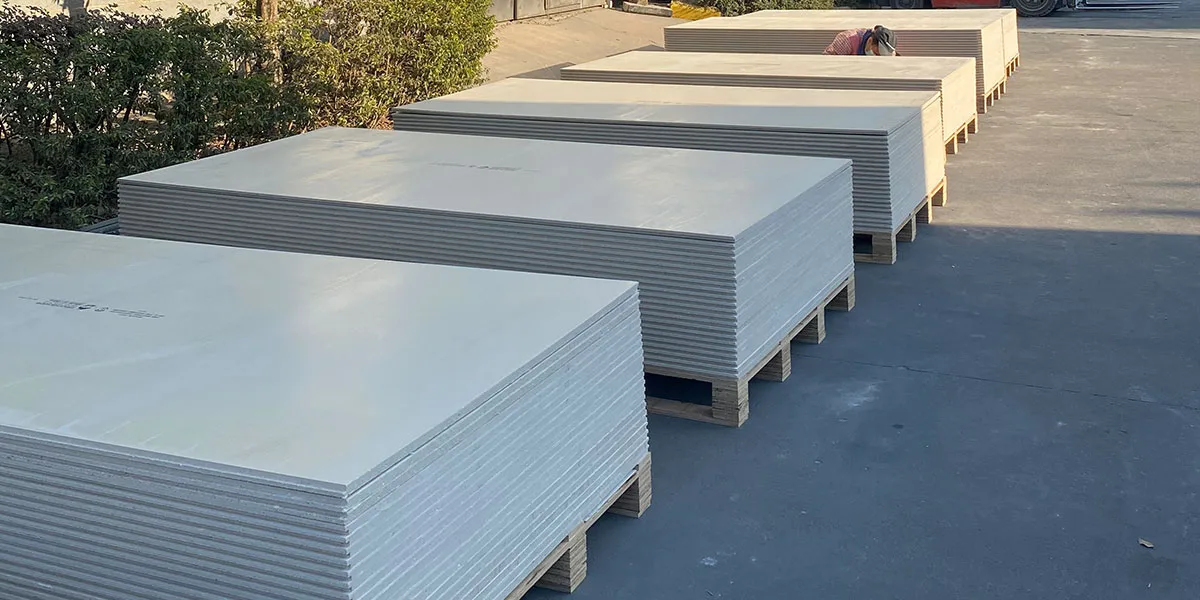
In today’s fast-evolving construction industry, materials that deliver high performance, durability, and sustainability are more in demand than ever. Among these, magnesum oxide boards have emerged as a standout choice. This article explores exactly what magnesum oxide boards are, how they function, why they are changing the game in modern construction, and how you can evaluate them for your next project.
1. Definition and core composition
Magnesum oxide boards are building panels manufactured using magnesium oxide (MgO) as the primary binder or matrix, often mixed with other inorganic components and reinforced with glass-fibre mesh or other reinforcement. Unlike traditional gypsum boards or cement-based boards, magnesum oxide boards combine inorganic chemistry with structural reinforcement to produce panels that are fire resistant, moisture resistant, mold resistant and more durable in demanding environments. In essence, when you read about “magnesum oxide boards,” you are seeing a category of advanced sheathing or construction boards designed for high-performance applications.
2. How Magnesum Oxide Boards Differ from Traditional Boards
Traditional drywall (gypsum board) and conventional sheathing materials such as oriented strand board (OSB), plywood, or cement fibre board have limitations: moisture sensitivity, fire performance constraints, susceptibility to mold or rot, and weight or thickness trade-offs. By contrast, magnesum oxide boards offer a combination of benefits:
Fire resistance: Many magnesum oxide boards achieve very low flame spread and smoke development indices in fire testing, making them suitable for applications with stringent fire-rating requirements.
Moisture and mold resistance: Because they are inherently inorganic and non-combustible, magnesum oxide boards resist mold growth, fungal attack, and degradation in damp or humid environments.
Structural performance: Depending on their construction, magnesum oxide boards can carry structural loads, act as sheathing, and allow high-density installations, sometimes replacing multiple layers of other materials.
Sustainability: Many manufacturers produce magnesum oxide boards with low embodied energy, free of volatile organic compounds (VOCs), free of asbestos or heavy metal salts, and with long service life — making them a more sustainable choice.
Versatility: Because of their strength and durability, magnesum oxide boards are used not just for interior walls, but for exterior sheathing, subflooring, ceilings, and more.
3. Why Magnesum Oxide Boards Are Revolutionizing Construction
There are several key reasons why magnesum oxide boards are having a transformative impact in modern construction:
a) Rising regulatory and safety demands
Building codes increasingly mandate higher fire-performance, improved moisture control, and greater durability. In this environment, magnesum oxide boards deliver compliance often beyond conventional materials. Their ability to meet fire ratings for multi-storey buildings, exterior walls, and structural sheathing makes them especially appealing.
b) Accelerated construction schedules and modular/off-site builds
The need to speed up construction, reduce layers of materials, and simplify assemblies is growing, particularly for modular and off-site builds. Magnesum oxide boards, thanks to their dual performance (sheathing + fire rating + moisture control), enable thinner assemblies, fewer layers, fewer trades, and faster installation—thus reducing labour time and cost.
c) Sustainability and long-term value
Modern buildings are evaluated not only for first cost but for life-cycle performance, carbon footprint, and resilience. Magnesum oxide boards bring a combination of long service life, minimal maintenance, resistance to degradation, and lower embodied energy — contributing to green building certifications and long-term asset value.
d) Adaptation to demanding applications
From high-rise exterior wall assemblies to marine or humid environments, magnesum oxide boards step in where traditional materials struggle. Their inherent resistance to water, fire, mould and pests means fewer failures, fewer call-backs, and higher performance in mission-critical settings.
4. Key Technical Attributes to Consider
When evaluating magnesum oxide boards for your project, pay attention to:
Thickness, density and reinforcement: Higher density boards and those with multiple layers of glass-fibre mesh will typically provide better structural performance and fire resistance.
Fire-rating certification: Look for boards tested to recognised standards (for example ASTM E84 flame spread/smoke developed indices) and designed for structural sheathing applications with established load-bearing or racking shear performance.
Moisture and mould resistance: Certifications or test data indicating resistance to fungal growth, moisture absorption, or cyclic wet/dry performance.
Installation requirements and compatibility: Some magnesum oxide boards require primers, edge treatment, or specific fasteners. Also ensure compatibility with finishes (paint, plaster, cladding).
Environmental profile: Review the board’s composition for VOCs, heavy-metal salts, asbestos absence, and embodied carbon or lifecycle data.
Application scope: Some boards are formulated for exterior sheathing, others for interior partitions or sub-flooring. Ensure the board is specified for the correct use case (wall sheathing, sub-floor, ceiling, etc.).
Supplier reliability and product lineage: Because magnesum oxide board is a relatively advanced product category, select suppliers with proven track records, test documentation and manufacturing control.
5. Application Examples and Best Practices
Here are several illustrative use-cases where magnesum oxide boards shine:
Exterior wall sheathing in multi-storey buildings: Used on wood-frame or steel-frame exterior wall systems, where magnesum oxide boards can serve as fire-rated structural sheathing, meet fire-spread criteria, and provide a durable substrate for cladding or rainscreen systems.
Interior fire-rated partitions: In commercial buildings, hospitals, or educational facilities where fire separation is critical, magnesum oxide boards deliver both fire performance and durability in high-traffic zones.
Subfloor and ceiling sheathing: Their structural capacity allows them to be used in sub-floor assemblies and ceiling systems with fire or acoustic performance objectives.
Wet or humid environments: Bathrooms, basements, showers, marine accommodation areas — the moisture-resistance of magnesum oxide boards makes them a robust choice where traditional drywall would fail.
Modular and off-site construction: Factory-built wall panels or modular units often integrate magnesum oxide boards as part of the structural envelope, enabling faster installation on site, fewer trades and lower waste.
Installation tip:
When using magnesum oxide boards, ensure all edges are sealed or primed as recommended by the manufacturer. Predrill and use fasteners suitable for the board’s thickness and density. When finishing with paint or plaster, apply a compatible primer for best adhesion and durability.
6. Challenges and Things to Watch
While magnesum oxide boards offer many advantages, some considerations include:
Cost premium: Due to higher manufacturing complexity and performance levels, magnesum oxide boards may cost more initially than basic drywall or OSB—though life-cycle value often offsets this.
Specialised fasteners and detailing: Some applications may require fasteners designed for denser boards, or specific edge treatments and sealants to ensure full performance.
Availability and installer familiarity: In some regions, contractors may be less familiar with magnesum oxide boards, so training or specification guidance may be needed.
Compatibility with finishes: Ensure that paint systems, cladding attachments, plaster, or other finishes are compatible with the board — check manufacturer guidelines.
Correct selection for application: Not all boards labeled “MgO” are equal; verify the exact specification, reinforcement, fire rating and structural capacity to ensure the board meets the project’s requirements.
7. Specifying Magnesum Oxide Boards in Your Project
If you are considering specifying magnesum oxide boards in your next build, here is a suggested specification workflow:
Define performance targets: fire rating, structural load, moisture resistance, acoustic performance.
Consult with multiple manufacturers—review test data, certifications, fire-rated assembly listings.
Select the correct board thickness, reinforcement level and finish level based on the application (e.g., exterior sheathing vs interior partition).
Integrate board installation into the overall envelope design: detailing at joints, penetrations, corners, fasteners and finishes.
Ensure compatibility with cladding, finishes or modular units.
Work with the contractor or installer to brief on installation best practices: edge priming, fastener spacing, sealing, substrate preparation.
Monitor installation quality on-site and ensure that all documentation (cut sheets, certifications, installation guides) are gathered for warranty or compliance purposes.
8. Future Trends and Why Magnesum Oxide Boards Matter for Tomorrow
As building standards evolve and demands increase for sustainability, resilience, and high performance, magnesum oxide boards will likely play an increasing role:
Resilience and climate adaptation: With more extreme weather events, moisture- and fire-resistant construction materials become essential. Magnesum oxide boards help future-proof structures.
Green building and carbon reduction: Low-embodied-carbon materials, long life span and minimal maintenance mean that magnesum oxide boards align with net-zero and circular-economy goals.
Modular, off-site and industrialised construction: The need for factory-built, rapid-assembly systems favours materials like magnesum oxide boards that combine multiple functions (sheathing, fire rating, moisture control) into one.
Health and indoor-environment quality: Because many magnesum oxide boards are free of VOCs, heavy metals, mould risk and degradation, they support healthier indoor environments and lower lifecycle maintenance cost.
9. Summary
In summary: magnesum oxide boards represent a significant advancement in board-type construction materials. Their combination of fire resistance, moisture resistance, structural performance, durability and sustainability make them an ideal choice for modern construction projects—from high-rise exterior walls to modular units and interior partitions. While they may command higher upfront cost, the life-cycle value, risk reduction and performance benefits often justify the investment. If you’re planning a project where performance matters—be it commercial, residential, modular or specialized build—consider the advantages of specifying magnesum oxide boards and ensure that your team understands the material, installation requirements and detailing necessary to unlock their full potential.
