

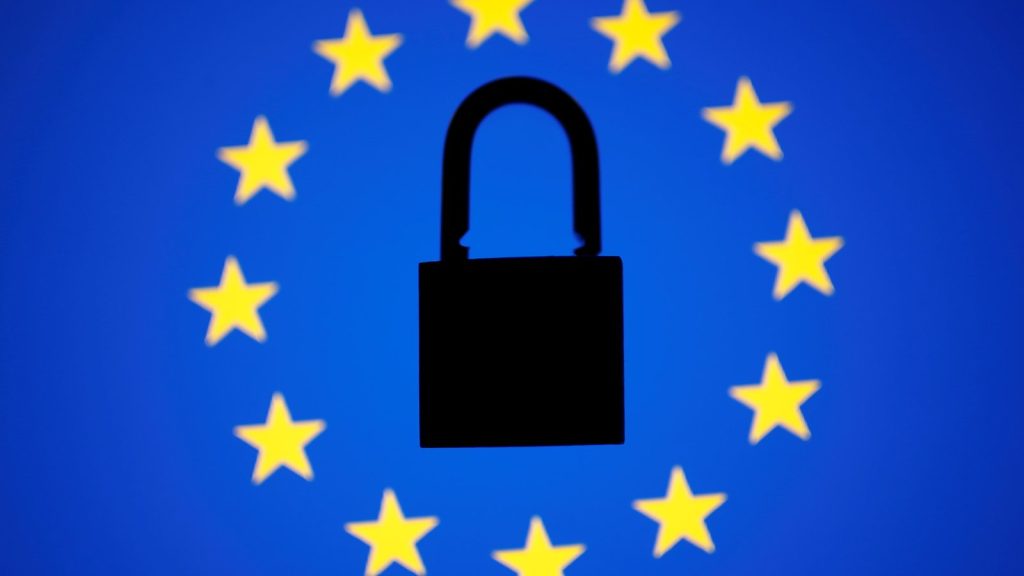
European Data Sovereignty has become a defining issue for organizations operating in or serving the European Union. As data volumes grow and regulations tighten, businesses and public institutions are increasingly expected to know exactly where their data is stored, who can access it, and which laws apply. Resources such as European Data Sovereignty solutions help organizations align digital operations with European legal and ethical expectations while maintaining control over sensitive information.
Introduction to European Data Sovereignty
At its core, European data sovereignty ensures that data generated within Europe remains subject to European laws and governance frameworks. This principle affects how organizations store data, choose service providers, and design digital systems. Rather than focusing solely on cybersecurity, data sovereignty addresses legal authority, transparency, and accountability.
As digital services become more interconnected, maintaining sovereignty over data has become essential for trust, compliance, and long-term operational stability.
What European Data Sovereignty Really Means
Data Ownership and Control
European data sovereignty emphasizes that organizations retain authority over their data. This includes deciding how it is processed, accessed, and shared—without unintended external influence.
Jurisdiction and Legal Authority
When data is stored or processed outside the EU, it may become subject to foreign laws. Sovereignty ensures that European legal standards remain the governing framework.
Why Location of Data Matters
Physical and logical data location determines which courts, regulators, and authorities can request access. Hosting data within Europe helps maintain legal clarity.
Why European Data Sovereignty Is Becoming a Priority
Rising Regulatory Requirements
Regulators increasingly expect organizations to demonstrate compliance with EU data protection laws. Sovereignty supports this by reducing legal ambiguity.
Concerns Around Foreign Data Access
Non-EU service providers may be subject to laws that conflict with European privacy expectations. Sovereign solutions help limit such exposure.
Digital Independence for Europe
Data sovereignty supports Europe’s broader goal of digital autonomy, reducing reliance on external infrastructure and legal systems.
Key Regulations Supporting European Data Sovereignty
GDPR and Its Role
The General Data Protection Regulation establishes strict rules for personal data handling. Sovereignty ensures these rules remain enforceable.
Data Residency Expectations
While GDPR does not mandate local storage in all cases, many sectors prefer EU-based hosting to simplify compliance.
Schrems II and Cross-Border Transfers
This ruling highlighted the risks of transferring data to countries without equivalent protections, reinforcing the importance of sovereign infrastructure.
Risks of Ignoring Data Sovereignty
Legal and Financial Penalties
Non-compliance can result in fines, audits, and contractual disputes.
Loss of Customer Trust
Customers increasingly expect transparency about how and where their data is handled.
Operational and Security Risks
Unclear data control can complicate incident response and risk management.
How Organizations Can Achieve European Data Sovereignty
Choosing EU-Based Infrastructure
Using providers that operate exclusively within the EU helps maintain jurisdictional clarity.
Encryption and Access Controls
Strong technical safeguards ensure that even authorized access is tightly managed.
Transparency in Data Processing
Clear documentation of data flows supports audits and internal governance.
European Data Sovereignty in Cloud and Digital Services
Sovereign Cloud Models
Sovereign cloud solutions are designed to keep data, operations, and governance fully within Europe.
Vendor Accountability
Service providers must clearly define where data resides and how access is controlled.
Spotlight: Where vBoxx Fits into European Data Sovereignty
vBoxx focuses on infrastructure and digital solutions designed around European sovereignty principles. By operating within European jurisdictions, they help organizations maintain control over data storage, access, and compliance requirements.
EU-Focused Infrastructure
Their approach prioritizes EU-based hosting and governance, aligning with regulatory expectations.
Supporting Compliance and Control
Organizations using sovereignty-focused platforms benefit from clearer oversight and reduced compliance complexity.
FAQs
1. What is European data sovereignty in simple terms?
It means European data is governed by European laws and remains under European control.
2. Is data sovereignty required by GDPR?
Not explicitly, but sovereignty helps organizations meet GDPR obligations more easily.
3. Can cloud services be sovereign?
Yes, if they operate within EU jurisdictions and follow European legal frameworks.
4. Why is data location important?
It determines which laws apply and who can legally access the data.
5. Does sovereignty apply only to personal data?
No, it also applies to business, governmental, and sensitive operational data.
6. Who benefits most from European data sovereignty?
Organizations handling sensitive data, regulated industries, and public sector entities.
Conclusion: Building Digital Trust Through European Data Sovereignty
Strong European Data Sovereignty practices help organizations protect sensitive information, meet regulatory expectations, and maintain trust in an increasingly complex digital environment. By keeping data under European control and aligning infrastructure with EU laws, businesses can operate more confidently while supporting long-term digital resilience and transparency.